
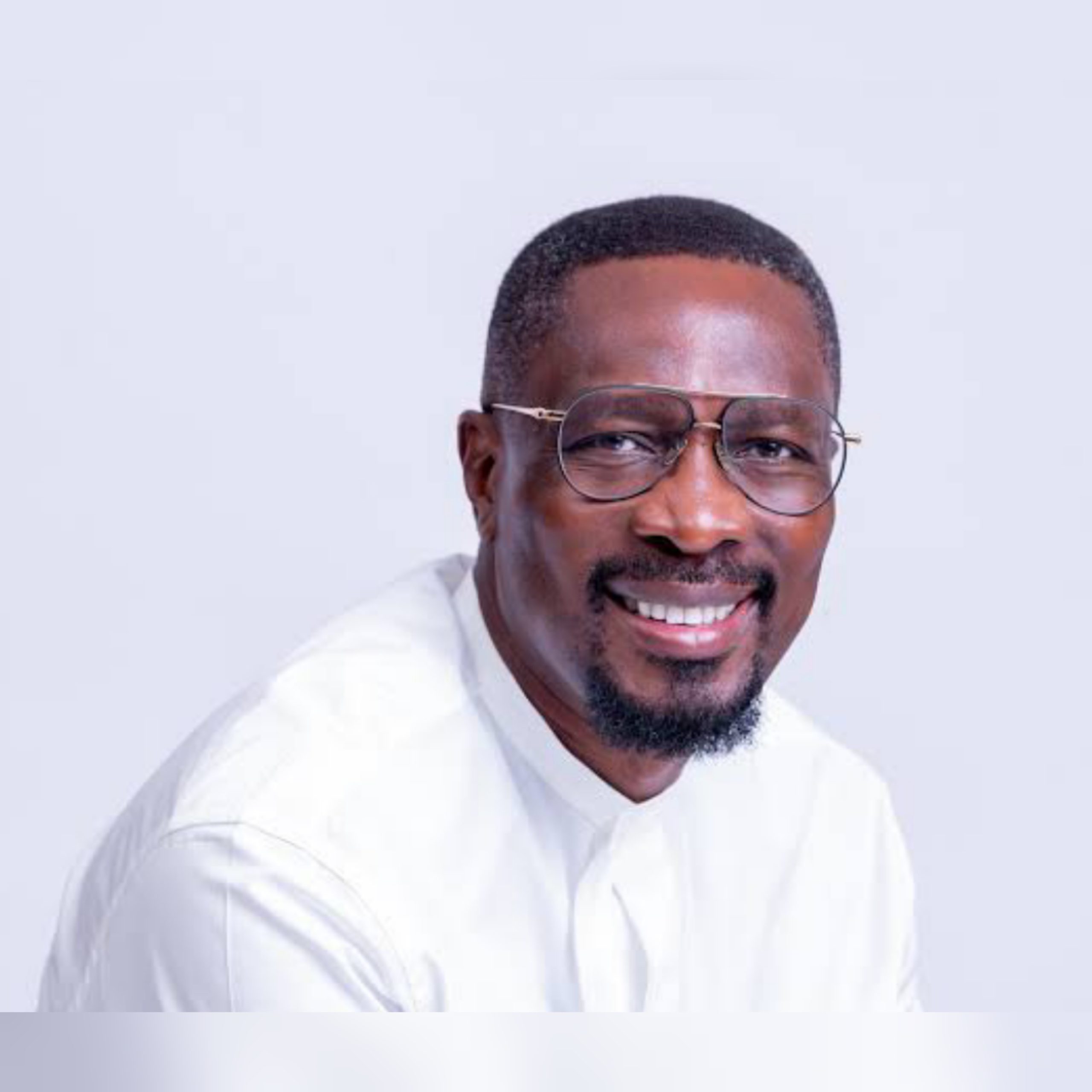
Tony Rapu Biography
Tony Rapu is a Nigerian medical doctor, pastor, filmmaker, life coach, and social reformer whose work has touched many lives across spiritual, social, and community spheres. Born in Kano State and raised in an Igbo Catholic family, he moved from clinical practice into full time ministry and later built practical programmes that address addiction, exploitation, poverty, and education for the vulnerable.
His story shows a clear path from formal medical training at the University of Ibadan to hands on leadership of church networks and non profit efforts that restore dignity to people often overlooked in Nigerian cities. Through the House of Freedom and the Freedom Foundation he has combined faith based teaching with structured rehabilitation, outreach, and media that document real conditions on the streets of Lagos and beyond.
Tony Rapu Early Life
Tony Rapu was born on 1 January 1957 in Kano State in the northwestern part of Nigeria. He belongs to an Igbo Catholic family and is the fourth of six children as well as the only son. His father, T.D. Rapu, worked with the Nigerian Customs Service. His mother, Maria Rapu (née Ofili), was a school teacher. The family placed strong value on discipline, education, and moral upbringing. Although he was born in Kano, his ethnic roots lie in Anambra State in southeastern Nigeria, the homeland of the Igbo people. Anambra is known for its dense population, strong entrepreneurial culture, rich traditional institutions, and historical significance within Igbo land. Many Igbo families, including the Rapus, moved across Nigeria for work and education while keeping close ties to their southeastern origins. This background gave young Tony exposure to both northern and southern Nigerian settings and a sense of identity rooted in Igbo values of hard work and community responsibility.
He attended the prestigious King’s College in Lagos for secondary education during the 1970s. The school is known for academic excellence and leadership training. After secondary school he gained admission to the University of Ibadan. There he first studied Zoology and later enrolled in the medical programme. He completed the Bachelor of Medicine and Bachelor of Surgery degree and qualified as a medical doctor. His university years shaped both his scientific thinking and his capacity for careful observation of human needs. After qualification he practised medicine, including work at Eko Hospital in Lagos. Some accounts also note time as a house officer at Lagos University Teaching Hospital. These early professional years brought him into direct contact with patients facing physical illness as well as social difficulties such as poverty and addiction. The experiences quietly prepared the ground for the direction his life would later take.
Tony Rapu State of Origin and Cultural Background
Tony Rapu’s state of origin is Anambra State. Anambra sits in the southeast of Nigeria and forms part of the heartland of the Igbo ethnic group. The state is characterised by commercial energy, educational ambition, and a long history of local governance structures. Towns and communities in Anambra have produced many professionals, traders, and public figures who travel widely yet maintain links to their ancestral homes. The Igbo language and cultural practices of respect for elders, communal support, and enterprise form part of the wider environment in which families like the Rapus raised their children. Although Tony Rapu spent formative years in Kano and Lagos, the Anambra Igbo heritage remained a steady reference point for identity and values. This dual experience of northern birth and southeastern ethnic roots, combined with Lagos education and professional life, helped him relate to people from varied backgrounds later in ministry and social work.
Tony Rapu Career
Tony Rapu’s professional path began in medicine and gradually expanded into pastoral leadership, social reform, filmmaking, and coaching. Each stage built on the previous one without sudden breaks in purpose.
Medical Practice
After qualifying as a doctor he worked in clinical settings in Lagos. At Eko Hospital he treated patients and observed the wider social conditions that often accompanied illness. The daily contact with human suffering deepened his sense of compassion and later informed the practical design of rehabilitation programmes. He did not abandon medical knowledge when he entered ministry. Instead he applied clinical understanding of detoxification, recovery processes, and human behaviour to the centres he later established.
Entry into Ministry and Years with the Redeemed Christian Church of God
In 1986, while still practising medicine, Tony Rapu attended a Friendship Bible Study meeting at the Ikoyi residence of his eldest sister, Mrs Bridget Itsueli. There he committed his life to Christ. Shortly afterwards his sister introduced him to Pastor Enoch Adejare Adeboye, General Overseer of the Redeemed Christian Church of God. Pastor Adeboye later described the meeting as divinely arranged and identified Tony Rapu as one of a small number of young men who would help take the gospel further. Tony Rapu and his wife became active in the church. They hosted house fellowships in Surulere that attracted young professionals. In 1991, under Pastor Adeboye’s direction, Tony Rapu led a team of about fifty newly converted believers, many from the Ekololu house fellowship, to establish the Apapa Parish of the Redeemed Christian Church of God. The parish began in a cinema hall and later moved while keeping the Apapa name within the church structure. He developed teaching materials focused on worship, Bible study, prayer, and fasting. He also introduced the practice of giving individual names to parishes, examples being Jesus House, City of David, Courage Centre, and Hope Hall. He contributed to the naming of the London Holy Ghost Service as the Festival of Life. During these years he planted or helped plant churches in Lagos and overseas locations including London and Washington. He sold personal assets such as his car to support the work. Around 1997 he left the Redeemed Christian Church of God. The departure was quiet and allowed a smooth transition of leadership within the Apapa family of churches.
Founding of This Present House and the House of Freedom
After leaving the Redeemed Christian Church of God, Tony Rapu founded This Present House, often known as TPH. Sources place the founding in the mid to late 1990s. The church developed a contemporary style aimed at professionals, urban dwellers, and people from varied denominational backgrounds. It emphasises practical teaching, worship, and community. Over time This Present House became the central expression of a wider network called the House of Freedom. The network includes This Present House, God Bless Nigeria Church, The Waterbrook Church, The Potter’s House of Lagos, and other expressions. Each serves different groups while sharing a common vision of transformation. Tony Rapu serves as Senior Pastor and Chairman of the Board of Trustees of the House of Freedom. The churches operate mainly in Lagos with a focus on intergenerational fellowship, marketplace engagement, and outreach.
Freedom Foundation and Social Reform Work
In 2001 Tony Rapu founded the Freedom Foundation, a non profit organisation dedicated to rehabilitation, education, and empowerment of vulnerable people. He chairs its Board of Trustees. The foundation runs several core programmes. House of Refuge, established in 2006, is a residential drug rehabilitation and resource centre. It provides medically assisted detoxification for people aged 17 to 59 struggling with alcohol and controlled substances such as marijuana, heroin, cocaine, and prescription drugs. The centre serves both men and women and includes skills training and reintegration support. Genesis House is a residential programme for young women aged 18 to 30 who have experienced sexual abuse, trafficking, or commercial sexual exploitation. It offers safe shelter, trauma informed care, education, vocational training, and pathways back into society. Bethesda Child Support Agency mobilises resources to provide quality education and support for children from low income backgrounds. The foundation’s approach combines residential care, psychosocial support, vocational training, and long term follow up. Street outreach forms part of the work, taking teams into areas of Lagos where addiction and homelessness are visible. Former Vice President Yemi Osinbajo has publicly stated that Tony Rapu led him to Christ, illustrating the personal reach of the ministry beyond institutional boundaries.
Filmmaking and Documentary Work
Tony Rapu has produced and edited short films and documentaries that record his fieldwork. The best known is the My Lagos Diaries series. The material was first shared with selected audiences in collaboration with the Ford Foundation in 2016 and reached wider public screening in 2017. The series shows street outreach, the realities of addiction and poverty in Lagos communities, and stories of recovery. It has been used to raise awareness and encourage practical engagement with social problems. The films reflect his medical eye for detail and his pastoral concern for the people filmed.
Life Coaching and Mentorship
As a life coach Tony Rapu has worked with individuals in positions of responsibility in both public and private sectors. His coaching draws on years of pastoral counselling, medical insight into human behaviour, and direct experience of social challenges. He mentors leaders and encourages practical application of faith principles in everyday decision making.
Tony Rapu Personal Life
Tony Rapu married Nkoyo Bassey in 1987. She is a trained lawyer who later became a pastor and ministry partner. They first met in Ibadan when she was a teenager at the International School and he was a university student. Nkoyo has been involved in church leadership, foundation work, and writing. She has authored inspirational books and has contributed to educational and community projects. The couple have three children: Uju, a medical doctor; Kene, a barrister who has also developed a footwear brand focused on local production; and Tobe. In recent years Tobe married Donna Duke, daughter of former Cross River State Governor Donald Duke. The family maintains a relatively private home life while supporting the public work of the ministry and foundation. Tony Rapu and Nkoyo share a partnership that combines spiritual leadership with practical social engagement.
Tony Rapu Awards and Recognition
Tony Rapu has received public recognition for his social reform efforts rather than a long list of formal prizes. He has been nominated for Citizen of the Year awards that highlight leadership and community impact. His work with the Freedom Foundation and the My Lagos Diaries series has drawn attention from organisations such as the Ford Foundation and has been noted in national media for addressing addiction, trafficking, and urban poverty. The practical results of the rehabilitation centres and educational support programmes form the main basis of the recognition he receives.
Tony Rapu Philosophy of Ministry and Social Engagement
Tony Rapu’s approach rests on the belief that authentic Christian faith must address both spiritual and material needs. He has consistently moved beyond the pulpit into streets, rehabilitation centres, and community projects. The combination of medical knowledge, structured programmes, and faith based care distinguishes his work. He emphasises long term recovery, skills acquisition, and reintegration rather than short term relief alone. The House of Freedom churches provide spiritual teaching and community while the Freedom Foundation supplies the practical infrastructure for rehabilitation and education. This dual structure allows the ministry to reach professionals in urban settings as well as people living in conditions of extreme vulnerability.
Tony Rapu Influence on Nigerian Christianity and Society
During his years in the Redeemed Christian Church of God Tony Rapu helped shape model parishes aimed at professionals and introduced naming and organisational practices that influenced later church growth. After establishing independent ministries he continued to innovate in outreach methods, including the use of cinema halls and unconventional venues in earlier periods. His documentary work has brought the conditions of Lagos streets into wider public view. The rehabilitation centres have offered concrete pathways out of addiction and exploitation for many individuals. Through life coaching he has influenced leaders who carry ideas of service into their professional spheres. The overall effect is a ministry that links personal conversion with measurable social outcomes.
Conclusion
Tony Rapu’s life traces a consistent line from medical training and early clinical practice through conversion, parish leadership, and the creation of independent church networks and social programmes. Born in Kano State to an Igbo family with roots in Anambra State, educated at King’s College Lagos and the University of Ibadan, and formed by years of hospital work, he brought professional discipline into pastoral and reform work. The House of Freedom and the Freedom Foundation stand as lasting expressions of that journey. Through rehabilitation centres, educational support, street outreach, and documentary filmmaking he has sought to restore dignity and opportunity to people facing addiction, exploitation, and poverty. His story remains one of practical faith applied to the concrete needs of Nigerian society.
FAQs
Who is Tony Rapu?
Tony Rapu is a Nigerian medical doctor, pastor, filmmaker, life coach, and social reformer. He is the Senior Pastor of the House of Freedom network of churches and Chairman of the Board of Trustees of the Freedom Foundation.
When and where was Tony Rapu born?
He was born on 1 January 1957 in Kano State, Nigeria.
What is Tony Rapu’s state of origin?
His state of origin is Anambra State. He is of Igbo ethnicity.
What is Tony Rapu’s educational background?
He attended King’s College, Lagos, and studied at the University of Ibadan, first in Zoology and then medicine, qualifying with a Bachelor of Medicine and Bachelor of Surgery degree.
When did Tony Rapu become a Christian and enter ministry?
He committed his life to Christ in 1986 at a Bible study in Ikoyi, Lagos. He later joined the Redeemed Christian Church of God and in 1991 led the establishment of the Apapa Parish.
What churches does Tony Rapu lead?
He leads the House of Freedom network, which includes This Present House, God Bless Nigeria Church, The Waterbrook Church, and The Potter’s House of Lagos.
What is the Freedom Foundation?
The Freedom Foundation is a non profit organisation founded by Tony Rapu in 2001. It runs House of Refuge for drug rehabilitation, Genesis House for survivors of sexual exploitation and trafficking, and Bethesda Child Support for education of underprivileged children.
Is Tony Rapu married and does he have children?
Yes. He married Nkoyo Bassey in 1987. They have three children: Uju, Kene, and Tobe.
What is My Lagos Diaries?
My Lagos Diaries is a documentary series produced by Tony Rapu that records street outreach and social conditions in Lagos. It was first presented in collaboration with the Ford Foundation in 2016 and screened more widely in 2017.
Has Tony Rapu received awards?
He has received public recognition and nominations for awards related to citizen leadership and social impact, particularly for his rehabilitation and community work.