
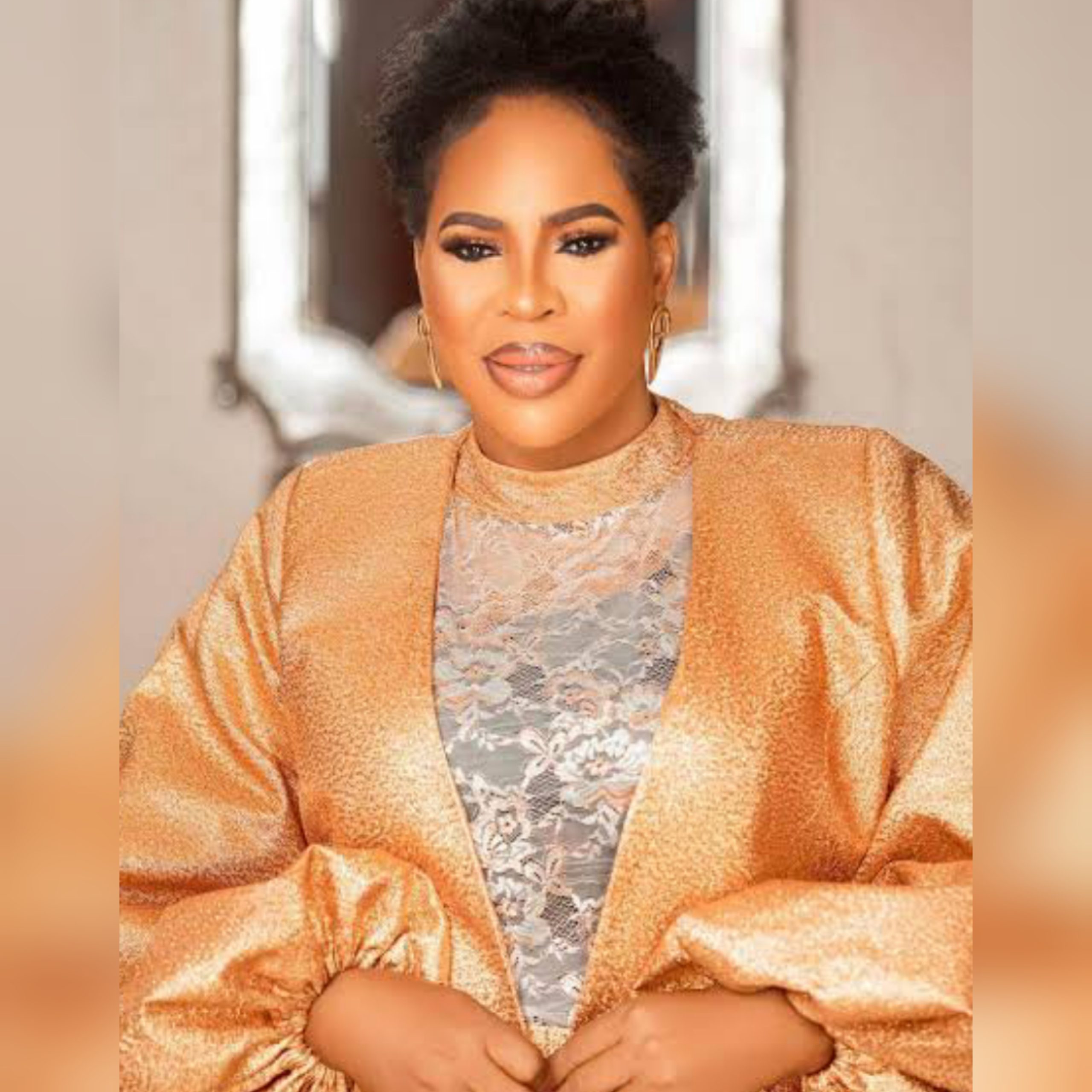
Faithia Williams Biography
Faithia Akorede Adunni Williams was born in Ikeja, Lagos State, Nigeria, and is a Nigerian actress, filmmaker, producer, and director of Urhobo heritage. She has built a long career primarily in Yoruba-language Nollywood films while also working across English-language productions, production, and direction.
Her path into the industry began by chance rather than planned ambition, yet she has sustained relevance for decades through consistent performances, producing efforts, and recognition at major African film awards. This biography draws on verified public records of her background, professional milestones, family life, and contributions to Nigerian cinema.
Faithia Williams Early Life
Faithia Williams was born on 5 February 1971 in Ikeja, the capital of Lagos State in southwestern Nigeria. She belongs to the Urhobo ethnic group and traces her roots to Okpara Waterside (also referenced in some accounts as Ukwara in the Waterside area) in Delta State, in Nigeria’s South-South region. Delta State is known for its rich cultural diversity, oil resources, and ethnic groups including the Urhobo, who maintain distinct language, traditions, and community structures. Although raised in the cosmopolitan environment of Lagos, her Urhobo identity remains a core part of her background, something she has publicly affirmed.
She grew up in a polygamous family of nine children. Public information identifies her siblings as including Charles, Ken, Anderson, Stella, and Arike Josephine Williams. Her mother, referred to in various accounts as Gloria Uzoamaka Williams Ikperha (also known as Talayo Abeni Teniola, née Udaba), played a significant role in the family; she passed away in early 2026 at the age of 78. Details about her father remain limited in public sources beyond the Williams family name and Delta State connection.
Faithia attended Maryland Primary School and Maryland Comprehensive Secondary School in Lagos State, where she obtained her West African School Certificate. She later earned a diploma from Kwara State Polytechnic. In 2016 she enrolled at Olabisi Onabanjo University to study filming, demonstrating a continued interest in formal training related to her profession. Before entering acting she worked as a receptionist at a computer company on Toyin Street in Ikeja.
Her early environment in Lagos exposed her to a mix of cultures and languages. Although of Urhobo origin, she became fluent and highly effective in Yoruba-language storytelling, which later defined much of her screen work. She has spoken about coming from a Catholic background in her youth.
Faithia Williams Career
Faithia Williams entered the film industry through an unexpected opportunity rather than a deliberate pursuit of acting. While on a break from studies at Kwara State Polytechnic, her uncle, Alhaji Fatai Teniola, who was involved in film production, asked her to stand in for an actress who failed to appear on set. She took the role in the film Ta Lo Pa Chief. That early appearance marked the start of her professional journey in Nollywood, particularly the Yoruba sector.
Faithia Williams Rise in Yoruba Cinema
She steadily built a body of work through the 2000s and beyond, appearing in numerous productions that showcased strong female characters, family dynamics, cultural themes, and dramatic narratives common in Yoruba films. Over time she expanded into producing and directing, contributing both in front of and behind the camera. Her work has included titles that reached wide audiences in Nigeria and among the diaspora through home video, television, and later streaming platforms.
Faithia Williams Notable Films and Projects
Key films associated with her include Eku Eda (2006), Aje Meta and its sequel (2008) in which she played Mojisola, Farayola (2009) as Niniola, Okunkun Biribiri (2010), Jelili (2011), Emi Abata (2012), Awawu (2015), Teni Teka (2015), Omo Ale (2015), Agbelebu Mi (2016), Basira Badia (2016), Adakeja (2016), Shola Arikusa (2017), 10 Days in Sun City (2017), Victims (2017), My Woman (2018), Merry Men: The Real Yoruba Demons (2018) as Iya Abdul, To Love Again (2018), Mokalik (2019), Dear Affy (2020), President Kuti (2021), Aníkúlápó (2022) as Ojumo Queen, Jagun Jagun (2023), A Tribe Called Judah (2023), Beast of Two Worlds (2024), and more recent titles such as Owambe Thieves and Labake Olododo.
She has also taken production and directing credits, including work connected to Iranse Aje and Iya Alalake. Her range covers drama, cultural epics, family stories, and contemporary narratives. In later years she appeared in higher-profile projects that reached broader platforms, including Netflix releases, reflecting the evolution of Nollywood itself.
Faithia Williams Work as Producer and Director
Beyond acting, Faithia has produced and directed films that emphasize indigenous storytelling. Her involvement behind the camera has allowed her to shape narratives and support projects centered on Yoruba language and cultural themes. This dual role has strengthened her standing as a multifaceted contributor to the industry rather than solely a performer.
Faithia Williams Awards
Faithia Williams has received recognition at major African film ceremonies. In 2008 she won the Africa Movie Academy Award for Most Outstanding Indigenous Actress; the film Iranse Aje, associated with her work, also received the award for best indigenous film that year. In April 2014 she won the Africa Movie Academy Award for Best Actress (shared recognition alongside Odunlade Adekola as Best Actor). In 2015 she earned the Best Indigenous Language (Yoruba) award at the Africa Magic Viewers’ Choice Awards for Iya Alalake. Additional acknowledgments from industry events, including City People and Nigeria Entertainment Awards categories, have marked her career at various points.
These awards highlight her sustained impact on indigenous-language cinema and her ability to deliver memorable performances over many years.
Faithia Williams Personal Life
Faithia Williams was married to Nollywood actor Saheed (also known as Saidi) Balogun. The marriage, which began around 2000, produced two children: a son named Khalid Balogun and a daughter named Aaliyah (or Aliyah) Balogun. She also has a son, Oluwatosin Akanbi, from an earlier relationship, making her a mother of three. During the marriage she adopted the surname Balogun and changed her religious practice to Islam. The couple divorced around 2014. After the separation she eventually returned to using her maiden name, Faithia Williams, while remaining known in some circles by the earlier professional association.
Public accounts indicate that the former couple have maintained a civil relationship focused on their children in later years, including mutual support during family milestones and occasions of loss. Faithia has kept subsequent romantic life private. She has also been linked to entrepreneurial activities, including ventures in beauty and cosmetics under House of Faiteer and a kitchen-related business.
Her mother passed away in February 2026, shortly before Faithia’s birthday that year. The family observed a private burial process.
Faithia Williams Contributions to Nollywood and Cultural Representation
As an Urhobo woman who became a prominent figure in Yoruba-language films, Faithia Williams illustrates the cross-ethnic collaboration that characterizes much of Nigerian cinema. She has spoken about her pride in participating in Yoruba storytelling while remaining clear about her Delta State roots. Her long presence in the industry spans the home-video era through the rise of cinema releases and streaming, giving her a vantage point on the sector’s growth.
Her work often features complex maternal or authoritative female roles, contributing to the visibility of strong women characters in indigenous films. By producing and directing, she has helped create opportunities within the Yoruba film community and supported projects that prioritize local language and cultural texture.
Faithia Williams Education and Professional Development
In addition to her secondary education in Lagos and diploma from Kwara State Polytechnic, her later decision to study filming at Olabisi Onabanjo University in 2016 reflects an ongoing commitment to craft. This formal study complemented decades of practical experience on sets and in production roles. Before acting she held ordinary jobs, including receptionist work, which grounded her early adult life in everyday professional experience outside entertainment.
Faithia Williams Later Career and Continued Relevance
Into the 2020s Faithia continued appearing in significant projects, including major Yoruba epics and ensemble films that attracted wide attention. Titles such as Aníkúlápó and Jagun Jagun placed her alongside leading contemporary talents and directors, confirming her ability to remain relevant across generational shifts in the industry. She has marked milestones such as extended decades in the profession while continuing to take roles and support new productions.
Her approach combines consistency with selective involvement in projects that align with her strengths in dramatic and culturally rooted storytelling.
Conclusion
Faithia Williams has built a substantial career as an actress, producer, and director rooted in Nigerian cinema, particularly its Yoruba-language expression. From an unplanned start in Ta Lo Pa Chief through award-winning performances and continued work in high-profile films, she has maintained a steady presence. Her Urhobo heritage from Delta State, Lagos upbringing, family life as a mother of three, and professional versatility form the core of her public story. The verified record shows a professional who adapted across industry changes while delivering work that resonated with audiences and earned formal recognition.
FAQs
What is Faithia Williams’ full name and nationality?
Her full name is Faithia Akorede Adunni Williams. She is Nigerian.
When and where was Faithia Williams born?
She was born on 5 February 1971 in Ikeja, Lagos State, Nigeria.
What is Faithia Williams’ state of origin and ethnic background?
She is of Urhobo ethnicity from Okpara Waterside in Delta State, in Nigeria’s South-South region.
How did Faithia Williams start her acting career?
She began by chance when her uncle, Alhaji Fatai Teniola, asked her to stand in for an absent actress. Her first role was in the film Ta Lo Pa Chief.
What are some of Faithia Williams’ notable films?
Notable titles include Eku Eda, Aje Meta, Farayola, Shola Arikusa, Merry Men: The Real Yoruba Demons, Aníkúlápó, Jagun Jagun, A Tribe Called Judah, and Beast of Two Worlds, among many others.
Has Faithia Williams won any major awards?
Yes. She won the Africa Movie Academy Award for Most Outstanding Indigenous Actress in 2008, Best Actress at the AMAA in 2014, and the Best Indigenous Language (Yoruba) award at the 2015 AMVCA for Iya Alalake.
Is Faithia Williams married?
She was previously married to actor Saheed Balogun; the marriage ended in divorce around 2014. She has not publicly confirmed a subsequent marriage.
How many children does Faithia Williams have?
She has three children: a son from an earlier relationship and two children (son Khalid and daughter Aaliyah) with Saheed Balogun.
What is Faithia Williams’ educational background?
She attended Maryland Primary School and Maryland Comprehensive Secondary School in Lagos, obtained a diploma from Kwara State Polytechnic, and later studied filming at Olabisi Onabanjo University.
Does Faithia Williams only act in Yoruba films?
While she is best known for extensive work in Yoruba-language cinema, she has also appeared in English-language and crossover productions.