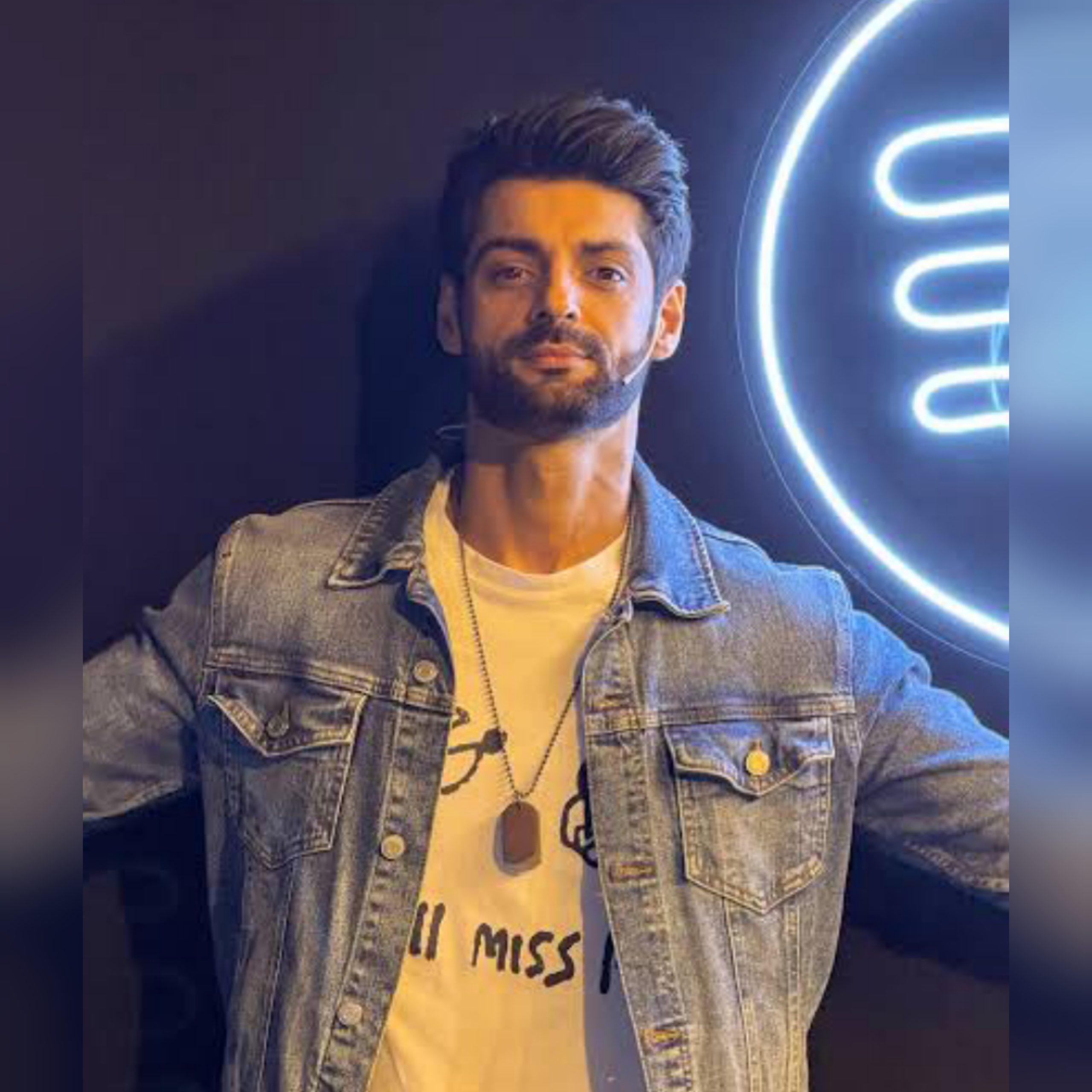
Karan Wahi Biography
Karan Wahi is an Indian actor, model, and television host who has built a steady presence across television, films, and digital platforms since the mid-2000s. Born in New Delhi, India, he holds Indian nationality and comes from a family with Punjabi and Kashmiri roots. Over two decades he has moved from teen drama leads to medical roles, hosting duties, reality competitions, and select film appearances while maintaining a consistent connection with audiences who first discovered him as a young performer.
His path reflects a shift from competitive cricket to entertainment, shaped by family support, education in Delhi, and early opportunities that arrived after an injury ended his sporting ambitions. Viewers know him for portrayals that blend intensity with approachability, and for the ease he brings to hosting formats. This biography gathers verified details of his background, professional milestones, personal life, and public recognition to offer a clear picture of his journey.
Karan Wahi Early Life
Karan Wahi was born on 9 June 1986 in New Delhi, India. He grew up in the capital city, which serves as both his hometown and the primary setting of his formative years. Delhi, a Union Territory and the national capital, has long mixed administrative importance with cultural energy drawn from across northern India. Its neighborhoods, schools, and sporting clubs provided the environment in which Wahi developed early interests in academics and athletics.
His father, Arun Wahi, is Punjabi, while his mother, Veena Wahi, has Kashmiri origins and worked as a vice-principal. This combination of Punjabi and Kashmiri heritage shaped a household that valued discipline, education, and family closeness. Delhi itself sits at a crossroads of northern Indian cultures; many families in the city maintain ties to Punjab, Haryana, Uttar Pradesh, or the broader Kashmir region. The Punjabi influence often appears in everyday language, food preferences, and social customs, while Kashmiri roots can bring distinct traditions in cuisine and family practices. Wahi has spoken of a childhood marked by structure because of his mother’s role at school, an experience that initially felt strict yet later instilled responsibility.
He attended St. Mark’s Senior Secondary Public School in Delhi. There he balanced studies with sports, particularly cricket. In 2003 he reached the top selection pool for the Delhi Under-19 cricket team, a competitive level that has produced several players who later represented India. Contemporaries in that environment included future national team members such as Virat Kohli and Shikhar Dhawan. A significant injury, however, forced him to step away from serious pursuit of the sport. He has described the decision as sudden and influenced by both the physical setback and personal circumstances at the time. Rather than continue in cricket, he enrolled in higher studies at the IILM Institute, affiliated with the University of Delhi, focusing on management-related coursework with the idea that he might eventually join his father’s business.
The transition from potential professional cricket to other possibilities occurred while he was still a teenager. Family encouragement played a practical role. His father suggested creating a modeling portfolio after noticing an advertisement. Photographs taken for that purpose reached a casting director, leading to an audition call from Mumbai. At eighteen Wahi moved to the city, an abrupt change that included practical challenges such as lost luggage on arrival. Delhi remained the emotional and familial base, yet Mumbai became the center of his working life. These early experiences in the capital’s educational and sporting circles, combined with the mixed cultural background of his parents, form the foundation of his public identity as a performer from Delhi with northern Indian roots.
Karan Wahi Career
Karan Wahi entered television in 2004 and has remained active across fiction, hosting, reality formats, films, and web series. His work shows a willingness to move between genres rather than remaining fixed in one type of role.
Television Breakthrough and Early Fiction Roles
Wahi’s first major role came in the teen drama Remix, which aired from 2004 to 2006 on Star One. He played Ranveer Sisodia, a passionate and sometimes angry young character navigating school life, friendships, and romance opposite Shweta Gulati. The series, produced by Rose Audio Visuals and loosely inspired by an Argentine format, focused on students from different social backgrounds in an elite school setting. The performance earned him the Indian Telly Award for GR8 Best Male Newcomer in 2005 and established him as a recognizable face among younger viewers.
After Remix he took supporting or shorter appearances, including a role in Kasamh Se in 2007. In 2009 he returned to a lead part in Mere Ghar Aayi Ek Nanhi Pari on Colors TV, playing opposite Mugdha Chaphekar. The following period brought one of his most widely remembered characters: Dr. Siddhant “Sid” Modi in the medical youth series Dill Mill Gayye (2009–2010). Opposite Jennifer Winget, he portrayed a doctor whose professional and personal storylines drew strong audience attention. The show helped expand his recognition beyond the teen demographic.
Subsequent television work included Baat Hamari Pakki Hai (2010–2011) as Ranbeer and a supporting turn as Rohan Solanki in Kuch Toh Log Kahenge (around 2011–2012), an adaptation of a Pakistani drama. He also appeared in the anthology Teri Meri Love Stories in 2012. These roles kept him visible on major channels while he began exploring other formats.
Hosting and Reality Participation
Parallel to acting, Wahi developed a presence as a host. He co-hosted seasons of the dance reality show Nach Baliye and worked on Indian Idol Junior alongside Mandira Bedi. He also hosted Dance India Dance Super Moms and later seasons of Indian Idol. His ease on stage and ability to engage contestants and audiences made him a frequent choice for red-carpet segments and award shows, including Indian Telly Awards and Star Guild Awards.
Reality competition appearances added another dimension. He entered Jhalak Dikhhla Jaa 5 as a wild-card contestant and later participated in Fear Factor: Khatron Ke Khiladi 8 in 2017, finishing in eighth place. In 2020 he returned for Khatron Ke Khiladi – Made in India and reached first runner-up. He has also been part of Box Cricket League seasons and other game or comedy formats such as Comedy Nights Bachao, where he displayed a lighter, comedic side. These outings demonstrated physical commitment and a willingness to step outside scripted drama.
Film Appearances and Digital Expansion
Wahi made his Bollywood debut in 2014 with Habib Faisal’s romantic comedy Daawat-e-Ishq, produced by Yash Raj Films. He played Amjad Baig, a supporting character opposite Parineeti Chopra and Aditya Roy Kapur. The role introduced him to theatrical audiences. In 2018 he took a more central part in Hate Story 4 as Rajveer Khurana. He has also appeared in the short film Have You Met You (2017), which he directed and wrote, and later in the Netflix film Aap Jaisa Koi (2025) as Namit Malhotra.
From the late 2010s onward he expanded into web series. Credits include Sacred Games (2018) as Karan Malhotra, Bar Code as Vicky Arora, Hundred (2020) as Manohar “Maddy” Dahiya, Never Kiss Your Best Friend (including its second season) as Karan Malhotra, Half Love Half Arranged (2023–2024) as Jogi opposite Maanvi Gagroo, and Raisinghani vs Raisinghani (2024) as Virat Chowdhary. In 2022 he returned to daily television with Channa Mereya on Star Bharat, playing Aditya Raj Singh opposite Niyati Fatnani. The digital projects allowed longer character arcs and different narrative styles while keeping him in front of both traditional and streaming audiences.
Music video appearances and special guest spots on various shows have filled additional spaces in his schedule. Throughout, Wahi has described an approach of accepting varied work rather than waiting exclusively for high-profile film leads, a choice that has sustained visibility across two decades.
Karan Wahi Movies and Notable Projects
As an actor primarily known for television and digital work, Karan Wahi’s film and series credits form a selective but consistent body of work. Key theatrical films include Daawat-e-Ishq (2014) in which he portrayed Amjad Baig, Hate Story 4 (2018) as Rajveer Khurana, and Aap Jaisa Koi (2025) as Namit Malhotra. Short-form work includes Have You Met You (2017).
On television and streaming the range is broader. Standout fiction roles encompass Ranveer Sisodia in Remix, Dr. Siddhant Modi in Dill Mill Gayye, Aditya Singh in Channa Mereya, and characters in Never Kiss Your Best Friend, Half Love Half Arranged, Raisinghani vs Raisinghani, Hundred, and Sacred Games. Hosting and reality credits such as Nach Baliye seasons, Indian Idol Junior, Khatron Ke Khiladi editions, and Comedy Nights Bachao further illustrate the breadth of his on-screen presence. These projects collectively show a career built on adaptability rather than confinement to a single medium or character type.
Karan Wahi Awards
Recognition has come at different stages of Karan Wahi’s career. In 2005 he received the Indian Telly Award for GR8 Best Male Newcomer for his work in Remix. Gold Awards later honored him as Most Fit Actor (Male) in 2013 and again in 2019; he was also nominated in the same category in 2018. In 2014 he won the Indian Telly Award for Favourite Host for Nach Baliye 6 and the Indian Television Academy Award for Best Anchor. In 2022 the Indian Television Academy Awards recognized him with the Best OTT Actor (or Most Popular Actor – OTT) honor for Never Kiss Your Best Friend 2. Additional nominations have appeared at Stardust Awards and other platforms for supporting film work and anchoring. These acknowledgments reflect both early breakthrough impact and later appreciation for fitness, hosting skill, and digital performances.
Karan Wahi Personal Life
Karan Wahi keeps much of his private life out of constant public discussion. He remains unmarried. Over the years media reports have linked him romantically with models including Karishma Kotak and others, though he has not issued formal confirmations of long-term partnerships. He has spoken in interviews about valuing relationships based on genuine happiness rather than external pressure and has noted that past connections, even if they did not continue, held meaning.
Family remains important. He shares a close bond with his sister Eshanka Wahi and has attended family events such as her wedding. His parents’ influence is frequently acknowledged, particularly the practical support that enabled his move to Mumbai and the values of discipline absorbed during school years. In more recent times he has spoken affectionately about his dog Noah, a Golden Retriever, describing the companionship as a positive personal decision after earlier wariness around animals.
Outside work he has supported charitable efforts. He joined the All Stars Football Club, a celebrity team that raises funds for non-profit causes, and has taken part in Gold Charity Soccer matches benefiting junior artists. In 2014 he participated in the Ice Bucket Challenge to raise awareness for amyotrophic lateral sclerosis. These activities sit alongside a public image that includes rankings on lists of desirable television personalities and, earlier, a placement on Eastern Eye’s “Sexiest Asian Man on the Planet” compilation in 2013.
Wahi has described Mumbai as home after years of living there, even while retaining emotional ties to Delhi. Fitness and a relatively private personal routine appear to form part of his day-to-day life, consistent with the “most fit” recognitions he has received.
Karan Wahi State of Origin and Cultural Background
Although born and raised in New Delhi, Karan Wahi’s family background connects him to broader northern Indian cultural streams. Delhi functions as a Union Territory and the political center of India, yet its population includes large communities with roots in Punjab, the Kashmir Valley, and surrounding regions. His father’s Punjabi heritage and mother’s Kashmiri origins place him within that layered identity common among many Delhi families.
Punjab, historically and culturally, emphasizes language, literature, agricultural traditions, and festivals that travel with migrating families. Kashmiri heritage often carries distinct culinary practices, artistic influences, and historical memory of the Valley. In a city like Delhi these elements mix with urban educational and professional life. Wahi’s schooling at a Delhi public school, participation in city-level cricket structures, and later higher education at an institute linked to the University of Delhi all occurred within this metropolitan setting. The capital’s sporting infrastructure gave him access to competitive under-19 pathways, while its media and entertainment networks eventually facilitated the portfolio that led to Mumbai.
Understanding this background helps explain both the grounded quality many viewers note in his early characters and the ease with which he has navigated different regions of the industry. Delhi’s role as a cultural crossroads provided the practical and social conditions for a young person with mixed northern Indian roots to move from school cricket fields into national television.
Karan Wahi Media Image and Public Presence
Beyond specific roles, Karan Wahi has cultivated a public presence marked by consistency and approachability. Rankings in publications listing desirable television personalities across several years indicate sustained audience interest. Social media engagement, particularly through photographs and direct interaction, has earned him informal descriptions as a frequent and skilled selfie-taker among peers. He has reflected on the length of his career, noting that by the time he marked twenty years in the industry he had spent more of his life as an actor than not.
His willingness to appear across fiction, hosting, stunts, comedy, and digital series has produced a multi-generational audience. Viewers who watched Remix as teenagers later encountered him in medical dramas, reality shows, or streaming titles. He has observed that he never relied solely on high-TRP daily soaps yet managed to remain relevant through varied output. Charity involvement and occasional public comments on industry experiences further shape a professional image that balances entertainment with measured personal disclosure.
Conclusion
Karan Wahi’s biography traces a clear arc from a Delhi schoolboy with cricket ambitions to a working actor and host whose career has spanned television’s peak daily-soap years, the rise of reality formats, the expansion of digital platforms, and selective film work. Verified milestones—the 2004 debut in Remix, the memorable turn as Dr. Siddhant Modi, hosting assignments, reality finishes, and later web series—rest on documented achievements rather than exaggeration. Family support, an interrupted sporting path, and education in the national capital supplied the practical starting conditions. Recognition through awards for newcomer impact, fitness, hosting, and OTT performance confirms industry acknowledgment at successive stages. Personal life remains largely private, centered on family ties and chosen companionships. Taken together, the record shows a professional who adapted to changing media landscapes while retaining a recognizable connection with audiences who first met him more than twenty years ago.
FAQs
What is Karan Wahi’s full name and date of birth?
Karan Wahi is the name by which he is known professionally and publicly. He was born on 9 June 1986.
Where was Karan Wahi born and what is his nationality?
He was born in New Delhi, India, and is an Indian national. His family background includes Punjabi and Kashmiri roots.
What was Karan Wahi’s first major television role?
His breakthrough came with the lead role of Ranveer Sisodia in the series Remix, which aired from 2004 to 2006.
Did Karan Wahi play cricket professionally?
He was selected for consideration in the Delhi Under-19 cricket team in 2003 but left the sport after a significant injury and did not pursue it at higher professional levels.
Which film marked Karan Wahi’s Bollywood debut?
He made his theatrical film debut in Daawat-e-Ishq in 2014, playing the supporting role of Amjad Baig.
Has Karan Wahi received any awards?
Yes. Notable honors include the Indian Telly Award for GR8 Best Male Newcomer in 2005, Gold Awards for Most Fit Actor, Indian Television Academy recognition for anchoring, and an OTT acting award in 2022.
Is Karan Wahi married?
No. He is unmarried. Reports of past relationships have circulated, but he has not publicly confirmed a current marriage or long-term partner in official statements.
What education did Karan Wahi complete?
He studied at St. Mark’s Senior Secondary Public School in Delhi and later attended the IILM Institute affiliated with the University of Delhi, focusing on management studies.
Leave a Reply