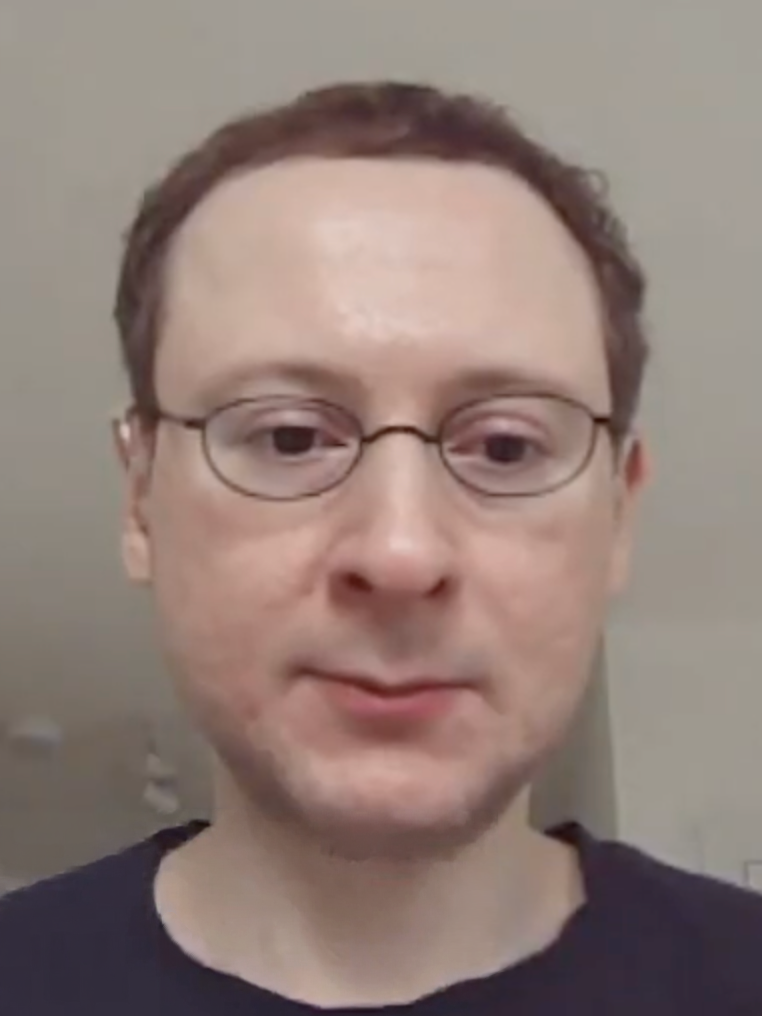
Nathan Cofnas Biography
Nathan Cofnas is an American philosopher who works mainly in the philosophy of biology and ethics. He focuses on how science and philosophy connect when people study human behavior, evolution, and moral ideas. Born in the mid 1980s, he has studied at several well known universities and held research positions in the United Kingdom and Belgium. Many people know him because of public discussions about group differences in traits such as intelligence and because of debates about free speech in universities. This article presents the main facts of his life and work in clear language so readers can understand the basic timeline and the issues that have surrounded him. The goal is to give accurate background information without adding unconfirmed claims.
Nathan Cofnas Early Life
Nathan Cofnas was born in Chicago, Illinois, in 1986 or 1987. He grew up in a Jewish family on the Upper West Side of Manhattan in New York City. During his teenage years he became interested in ideas about heredity and human differences. At age sixteen he took courses at Columbia University while still living in New York. Around the same time he also began looking closely at the writings of Kevin MacDonald, a professor known for work on evolutionary psychology and Judaism. Cofnas later said that a mentor advised him not to write about that subject at the time. These early interests in evolution, groups, and moral questions stayed with him and shaped the direction of his later studies. Public records show little else about his childhood or family life beyond these basic points. He has described himself as having a New York accent even after years spent in the United Kingdom.
Nathan Cofnas Education
Cofnas completed a Bachelor of Arts degree in philosophy at Columbia University in New York, finishing around 2011. After that he moved to Hong Kong and studied at Lingnan University as a Hong Kong PhD Fellow in the philosophy department from 2012 to 2015. He then went to the University of Cambridge, where he earned a Master of Philosophy degree with distinction in History and Philosophy of Science at Darwin College in 2016. Next he entered the University of Oxford. At Balliol College he completed a Doctor of Philosophy degree in philosophy. His thesis was titled Evolutionary Explanations and the Debunking of Moral Beliefs and was finished around 2020 or 2021. These steps gave him training in both scientific and philosophical methods. He has said that he wants philosophy to stay close to actual scientific findings rather than remaining separate from them. The combination of American, Asian, and British university experience is unusual and shows a pattern of moving between different academic systems.
Nathan Cofnas Personal Life
Public information about Nathan Cofnas’s private life is limited. He was raised in a Jewish household in Manhattan and has spoken about that background in interviews and writings. He has lived for several years in the United Kingdom and later in Belgium for work. On social media and his personal website he notes that people sometimes mistake him for British because of his time in Cambridge and Oxford, yet he keeps a New York way of speaking. He maintains an active presence on the platform X under the handle @nathancofnas and writes regularly on his Substack newsletter at ncofnas.com. Beyond these public activities, details about family, relationships, or daily habits are not widely shared in reliable sources. He has mentioned a general interest in questions of health and diet, including skepticism toward some claims about vegetarianism, but these remain secondary to his main academic focus. The available facts stay at the level of education, career moves, and public writing rather than private matters.
Nathan Cofnas Net Worth
No reliable public figures exist for Nathan Cofnas’s personal net worth. Academic salaries for postdoctoral researchers and early career fellows in the United Kingdom and Belgium are modest compared with private sector earnings. Leverhulme Early Career Fellowships and university postdoc contracts typically provide standard research pay rather than large private income. He has a Substack newsletter that offers paid subscriptions, yet the exact number of paid readers or revenue is not disclosed. Book sales from an early title and occasional popular articles also add small amounts, but nothing indicates substantial wealth. Because financial details are private and no verified estimates appear in major publications, any specific number would be guesswork. Readers should treat claims of large net worth as unconfirmed.
Nathan Cofnas Career
After finishing his doctorate, Cofnas received a Leverhulme Trust research grant. In 2022 he became a Leverhulme Early Career Fellow in the Faculty of Philosophy at the University of Cambridge. At the same time he was appointed research associate at Emmanuel College, Cambridge. In these roles he taught undergraduate ethics courses at several Cambridge colleges and examined graduate work. His research stayed centered on philosophy of biology, moral psychology, values in science, and related ethical questions. He published papers in journals such as Biology and Philosophy, The Philosophical Quarterly, Evolutionary Psychological Science, and Utilitas. One early book, Reptiles with a Conscience: The Coevolution of Religious and Moral Doctrine, appeared in 2012 through the Ulster Institute for Social Research. Later articles examined topics including natural selection without extra teleology, gene culture coevolution and moral truth, the Golden Rule from a naturalistic view, and critiques of certain evolutionary claims about Jewish groups. Many of these papers are available on his website nathancofnas.com and on academic platforms.
In 2026 he took a postdoctoral position in the Department of Philosophy and Moral Sciences at Ghent University in Belgium. There he continued work connected to ethics and social questions. Throughout his career he has written both peer reviewed science and philosophy papers and more accessible pieces for outlets such as Quillette, The Critic, and Academic Questions. He has also posted longer essays on his Substack. Supporters note that roughly half of his publications appear in science journals, showing an effort to keep philosophy linked to empirical research. The overall path moves from student positions in New York, Hong Kong, Cambridge, and Oxford to research fellowships in Cambridge and then a postdoc in Ghent.
Nathan Cofnas Controversies
Cofnas has faced repeated public criticism linked to his views on possible genetic contributions to group differences in traits such as intelligence. In 2019 and 2020 some of his papers on race, intelligence, and free inquiry drew objections from other academics and led to campaigns calling for retractions or journal changes. He describes his position as race realism, meaning he believes researchers should be free to study whether genes play a non trivial role in average group differences. Critics often label the same views scientific racism.
In February 2024 he published a Substack essay titled A Guide for the Hereditarian Revolution. In it he argued that a color blind merit based system would sharply reduce the representation of certain groups in high status academic and professional roles. He cited data suggesting that under strict academic criteria the share of Black professors at a place like Harvard would approach zero percent. The essay produced student petitions with more than one thousand signatures, dozens of formal complaints, and campus protests. The University of Cambridge investigated and later stated that the writing did not break university rules on free speech. Emmanuel College, however, ended his research associate position in 2024, saying the views challenged the college’s core values on diversity and inclusion. Cofnas, with support from the Free Speech Union, brought a legal claim of belief discrimination. A court later accepted that his beliefs could qualify as protected but found the college’s action justified.
In July 2026 Cofnas published a detailed Substack post examining the academic record of Jason Arday, a sociology professor at Cambridge who had been appointed as one of the youngest Black professors at the university. The post listed multiple instances of alleged plagiarism in Arday’s thesis and later papers and raised questions about certain biographical claims. The article received wide media coverage. Arday resigned and was found dead in mid August 2026. On 20 August 2026 Ghent University suspended Cofnas pending a disciplinary investigation related to the matter. Cofnas stated publicly that he faced death threats and considered himself a scapegoat for exposing problems. These events remain recent and continue to generate discussion about academic standards, free speech, and institutional responses.
Nathan Cofnas Legacy
Nathan Cofnas’s work has drawn attention to the tension between open scientific inquiry and institutional rules about diversity and inclusion. His peer reviewed papers on philosophy of biology and moral psychology remain available for specialists to read and cite. His public essays have forced universities to clarify policies on free speech, as seen in Cambridge’s formal statements after the 2024 complaints. Supporters of academic freedom point to his case as an example of pressure against unpopular research questions. Critics argue that the content of his writings on group differences causes harm and should not receive university platforms. Regardless of agreement or disagreement with his conclusions, the record shows a consistent focus on evolution informed social science and on the limits of what researchers may discuss. The combination of formal academic output and repeated public controversies means his name appears in ongoing conversations about truth seeking, university governance, and the role of genetics in human variation. Future assessments will depend on how universities and journals handle similar topics and on the long term reception of his published papers.
Conclusion
Nathan Cofnas moved from a childhood in New York through degrees at Columbia, Lingnan, Cambridge, and Oxford into research posts at Cambridge and Ghent. His writing covers philosophy of biology, ethics, and questions about heredity and group differences. Public attention has centered on free speech disputes and on specific claims about race and intelligence. The facts of his education and employment are clear from university records and his own curriculum vitae. The debates around his views continue in 2026. Readers who want primary material can consult his website, Substack essays, and peer reviewed articles. This summary aims to present the documented timeline and main issues in straightforward language so that interested people can form their own informed views.
FAQs
What is Nathan Cofnas known for?
He is known as a philosopher of biology and ethics who has written about evolution, morality, and possible genetic influences on group differences. Public attention has focused on free speech cases at Cambridge and Ghent and on a 2026 article about academic plagiarism.
Where was Nathan Cofnas born and raised?
He was born in Chicago in 1986 or 1987 and raised in a Jewish family on the Upper West Side of Manhattan in New York.
What degrees does he hold?
He holds a BA in philosophy from Columbia University, an MPhil with distinction from the University of Cambridge, and a DPhil in philosophy from the University of Oxford.
Where has he worked?
He was a Leverhulme Early Career Fellow at the University of Cambridge from 2022 to 2025 and a research associate at Emmanuel College. In 2026 he became a postdoctoral researcher at Ghent University and was later suspended.
What is race realism according to Cofnas?
He uses the term to describe the view that researchers should examine whether genes contribute to average differences between groups in traits such as intelligence, and that such inquiry should not be blocked for political reasons.
Why was he removed from Emmanuel College?
In 2024 the college ended his research associate role after a Substack essay on hereditarianism and meritocracy. The college said the views conflicted with its diversity policies. The wider university found no breach of free speech rules.
What happened with Jason Arday?
In July 2026 Cofnas published a post listing alleged plagiarism in Arday’s academic work. Arday resigned and died in August 2026. Ghent University then suspended Cofnas in connection with the controversy.
Is information available about his net worth?
No verified public figures exist. Academic research positions and newsletter income do not indicate large private wealth.
Where can readers find his writings?
Peer reviewed papers and a full list appear on nathancofnas.com. Longer public essays are on his Substack at ncofnas.com. He also posts on X as @nathancofnas.
Does he still hold an academic post?
As of 20 August 2026 he was suspended from his postdoctoral role at Ghent University pending investigation. Earlier Cambridge contracts had ended.
Leave a Reply